Restoration guide
Colorizing Black-and-White Photos: What to Expect
Adding natural color to an old black-and-white or sepia photo can make a familiar face feel newly present. Here's how it actually works, and where the process has real limits.
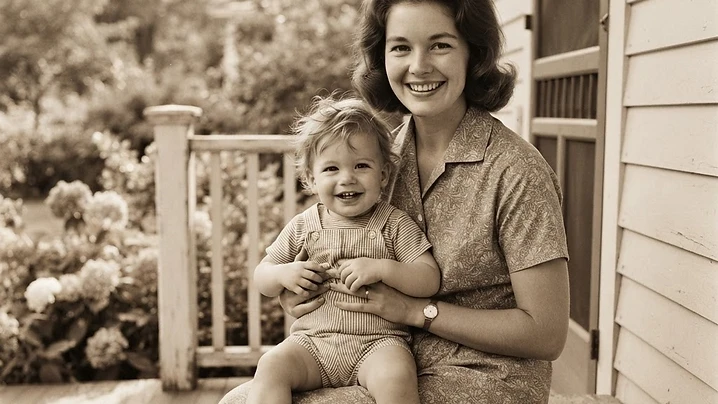
How colorization actually works
Colorizing a black-and-white photo isn't a single automatic filter — it's a judgment-driven process of assigning natural, plausible color to skin tones, hair, clothing and background based on context clues in the image and, where possible, what's known about the period or the subject. The goal is a result that looks like it could have been shot on color film at the time, not an artificial tint over the original grayscale.
Which photos colorize best
Sharp, well-exposed portraits with clear detail in the face and clothing give the most convincing results, since there's more real detail to work from. Group photos and outdoor scenes work well too, as long as the print itself is in reasonably good condition.
- Clear, in-focus faces and clothing detail
- Good original contrast (not extremely faded or muddy)
- Reasonably high scan resolution to work from
Where colorization has real limits
Very low-resolution or heavily damaged originals give less detail to base color decisions on, so the result can look flatter or less convincing. Colorization is also, by nature, an informed interpretation rather than a recovery of the photo's "true" original color — nobody can know the exact shade of a shirt from 1952 with certainty, but a skilled colorist can get remarkably close using photographic and historical reference.
How to order it
Colorization is available as a checkout add-on for up to 10 photos per order, alongside standard restoration and scanning. If a photo also needs tear, crease or fading repair, that's handled as part of the same restoration pass before color is added.
Ready when you are
Colorization is available as an add-on with any restoration order — mail in nationwide, or use free pickup in Chicago.
FAQ
Common questions
Will the colors be historically accurate?+
They'll be a natural, informed interpretation based on the detail in the photo and general historical reference — not a guaranteed match to the exact original colors, which usually can't be known with certainty from a black-and-white print.
Can you colorize a very old or faded photo?+
Often yes, though the level of detail in the original affects how convincing the result looks. Faded or low-detail photos may benefit from restoration first.
How many photos can I colorize in one order?+
Colorization is available as a checkout add-on for up to 10 photos per order.
More guides
Restoration guide
How to Restore a Water-Damaged Photo
What water actually does to a photograph, what to do in the first 48 hours, and what professional restoration can bring back.
Restoration guide
How to Repair a Torn or Creased Photo
Why tape and glue make things worse, and how torn, folded or missing pieces of a photo get rebuilt by hand.
Preservation guide
How to Store and Preserve Old Family Photos So They Last
Archival basics that actually matter — enclosures, environment, handling, and why digitizing is the real insurance policy.
Get a free quote
Bigger jobs, bulk discounts, anything weird — let's figure it out.
Our packages cover most orders, but if you've got boxes of slides, a wall of albums, or a stack of tapes that won't fit a preset, tell us about it. We'll send a custom quote — usually within a day.
- • Custom pricing for 500+ photos or 3+ tapes
- • Mixed-format collections welcome
- • Free Chicago pickup, no matter the size